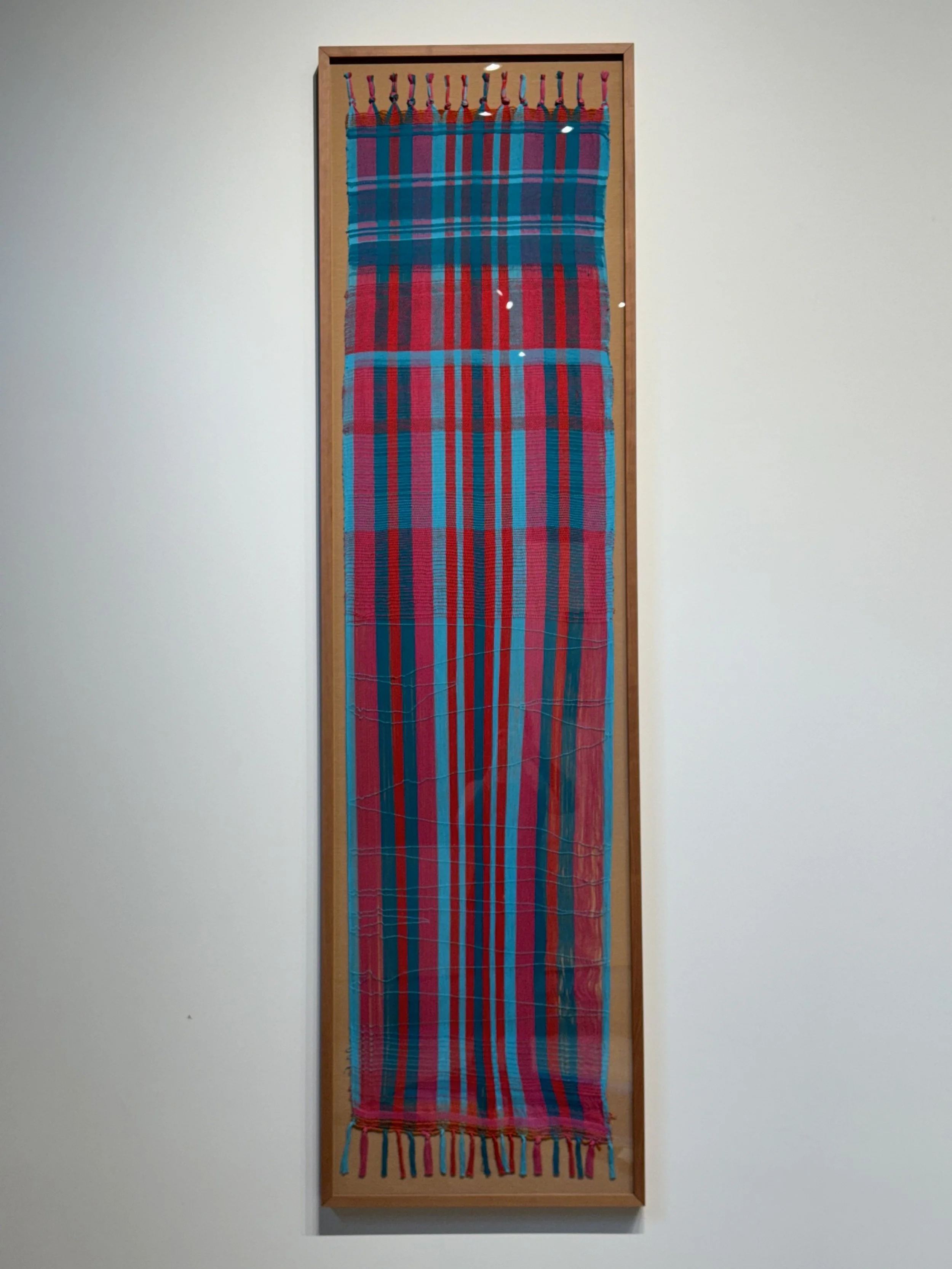
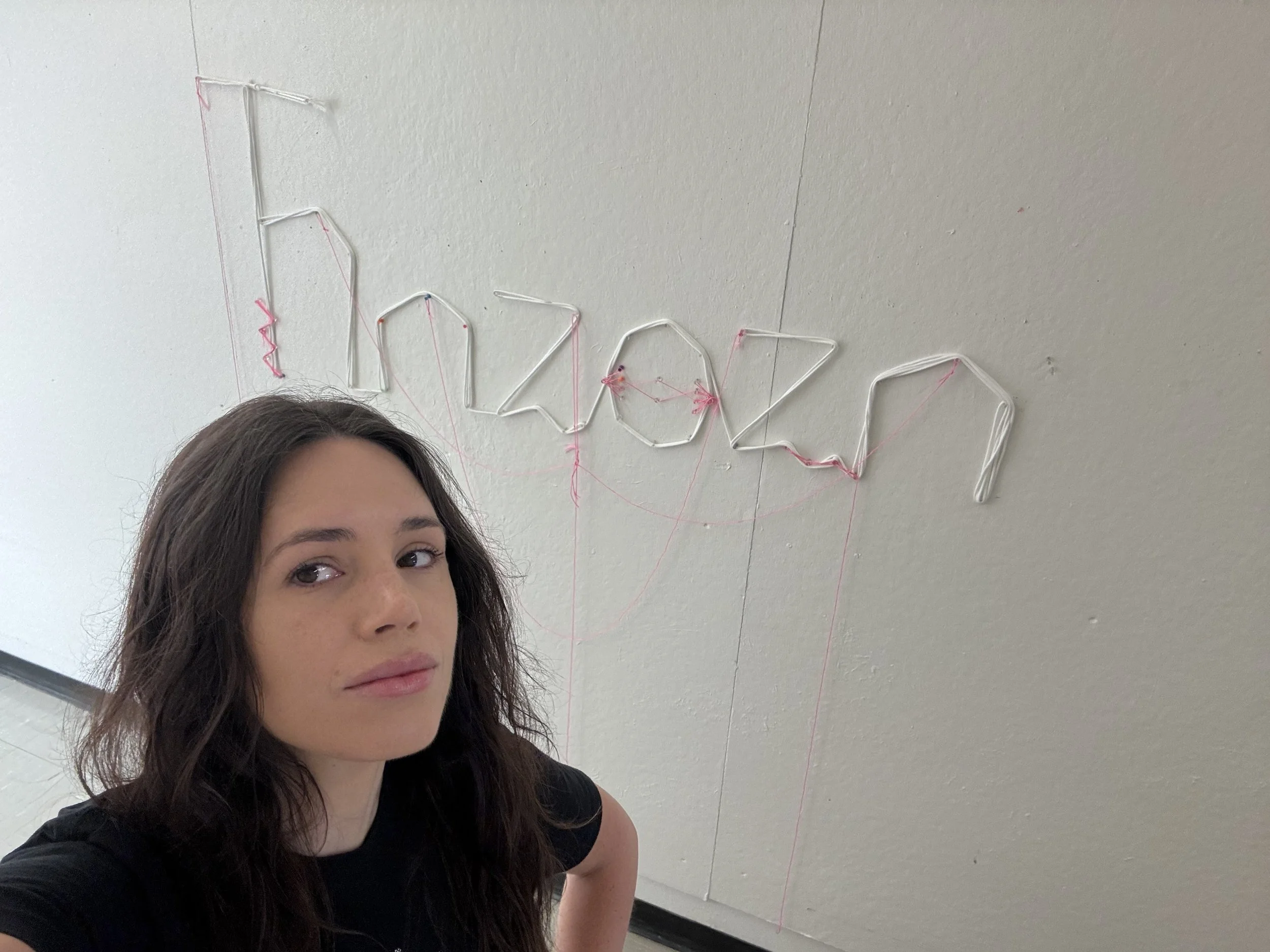
Rematriation
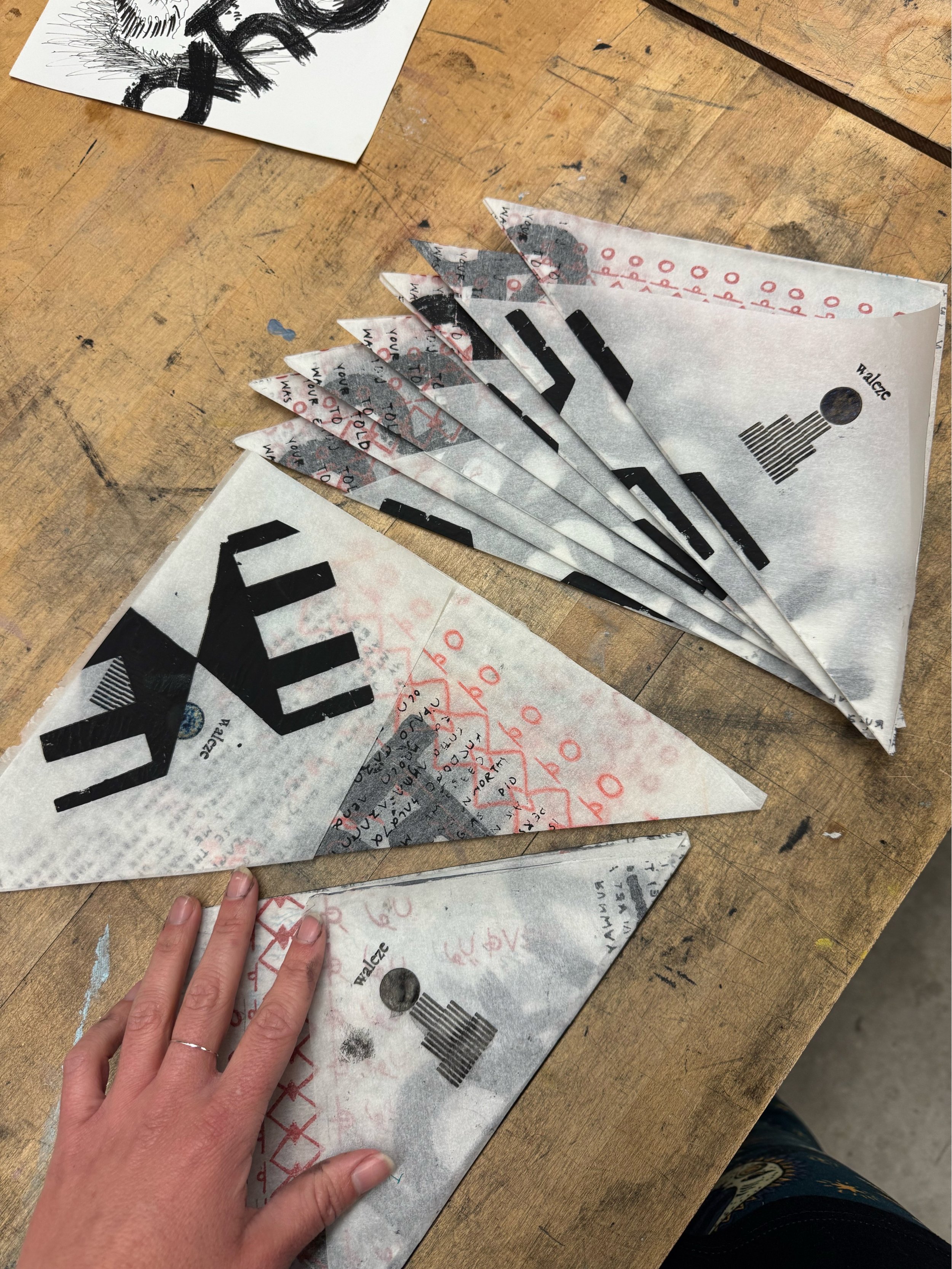
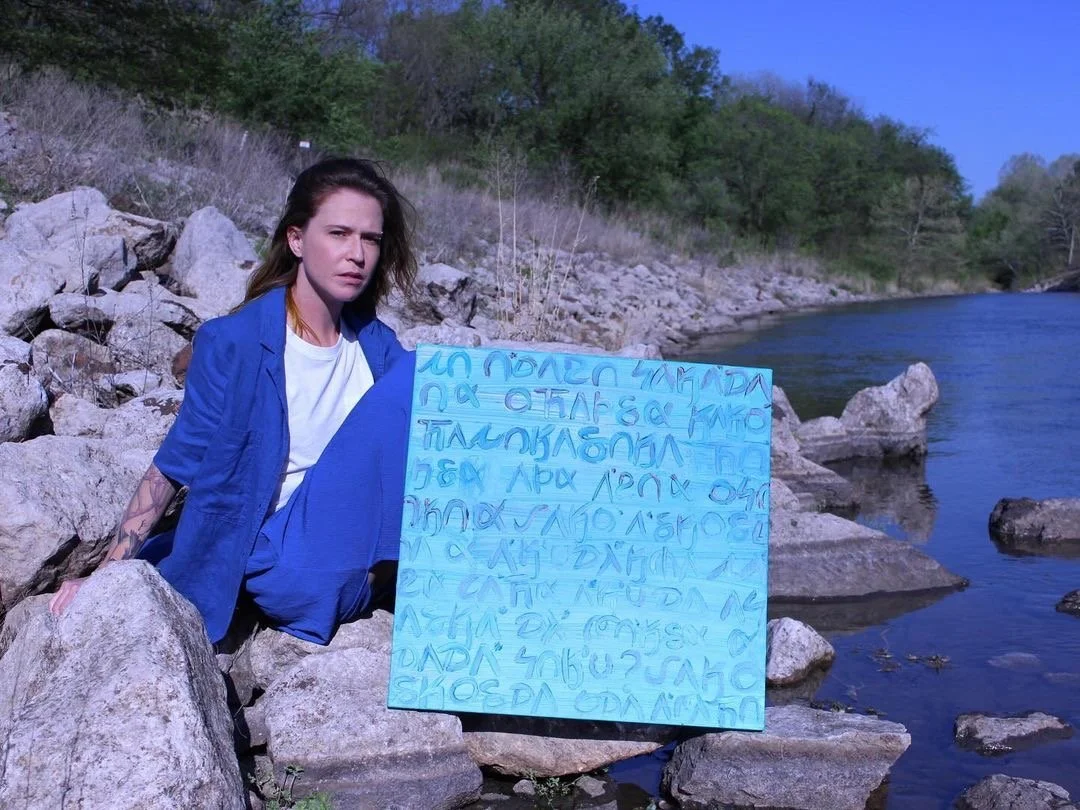
Chelsea Tayrien Hicks, aka 𐓸𐓶𐓟𐓰𐓫͘ “Looking to the Eagle,” b. 1990, creates works broadly engaging the concept of rematriation—or in other words—reconnection to one’s matrilineal culture/s. Rematriation is defined as “returning the sacred to the mother,” and refers to ways and knowledge, where repatriation refers to land, bodies and objects. 𐓐𐓶𐓟𐓰𐓫͘ (Xuedoin) is currently at work on a visual poetry collection in her ancestral language of 𐓷𐓘𐓻𐓘𐓻𐓟 𐓣𐓟 or Wazhazhe ie called WALEZE / MARKINGS. This interdisciplinary text-based visual art project has been supported by a LIFT Award from the Native Arts & Cultures Foundation (NACF); excerpted poems were shown in the 2021-2022 Bookshelf Residency curated by Gato Negro and Phoneme Media at the Institute for Contemporary Art, Los Angeles and on the cover of the September/October 2023 issue of World Literature Today as well as in the magazine; and she received an honorable mention from the Ford Foundation for the beginnings of her Indigenous language work. In November 2022, she organized an Indigenous language creative writing gathering called Words of the People with support from the Institute of American Indian Arts, NACF and an Interchange grant from the Mid-America Arts Alliance (MAAA); the MAAA project grew into 501c3 Words of the People, and 𐓸𐓶𐓟𐓰𐓫͘ “Looking to the Eagle” is the founding artist. In 2024 at Sovereign Futures, she participated in a multi-tribe, multi-artist intervention in the built colonial environment of Tulsa, as Xuedoin told the story of what Tulsa is and has been in the past—naming its identity as the hunting grounds of the Osage, and how it came to be the place of Greenwood a century after Osage ceded the land to Cherokee and Muscogee. In Osage, at Woody Guthrie Green, she told how yet now again, Tulsa has become the land of three reservations in Tulsa, while the history of the town is still actively erased.
The same year, she organized the 20-artist Osage show, Waleze: Wahzhazhe ie poetic forms at the Tulsa Artist Fellowship featuring Osage artists showing works on the question, “what is a work that can guide writing in Osage, in a good way?” She is now piloting a PhD program in Interdisciplinary Studies at the University of Oklahoma for Natives who want to create expressive works in their languages.
Questions around cultural loss, reconnection, representation, stereotypes, gender, internalized and ongoing external colonization, intergenerational trauma, status hierarchies, land protection and language revitalization inform her interdisciplinary visual works and text-based visual writing.
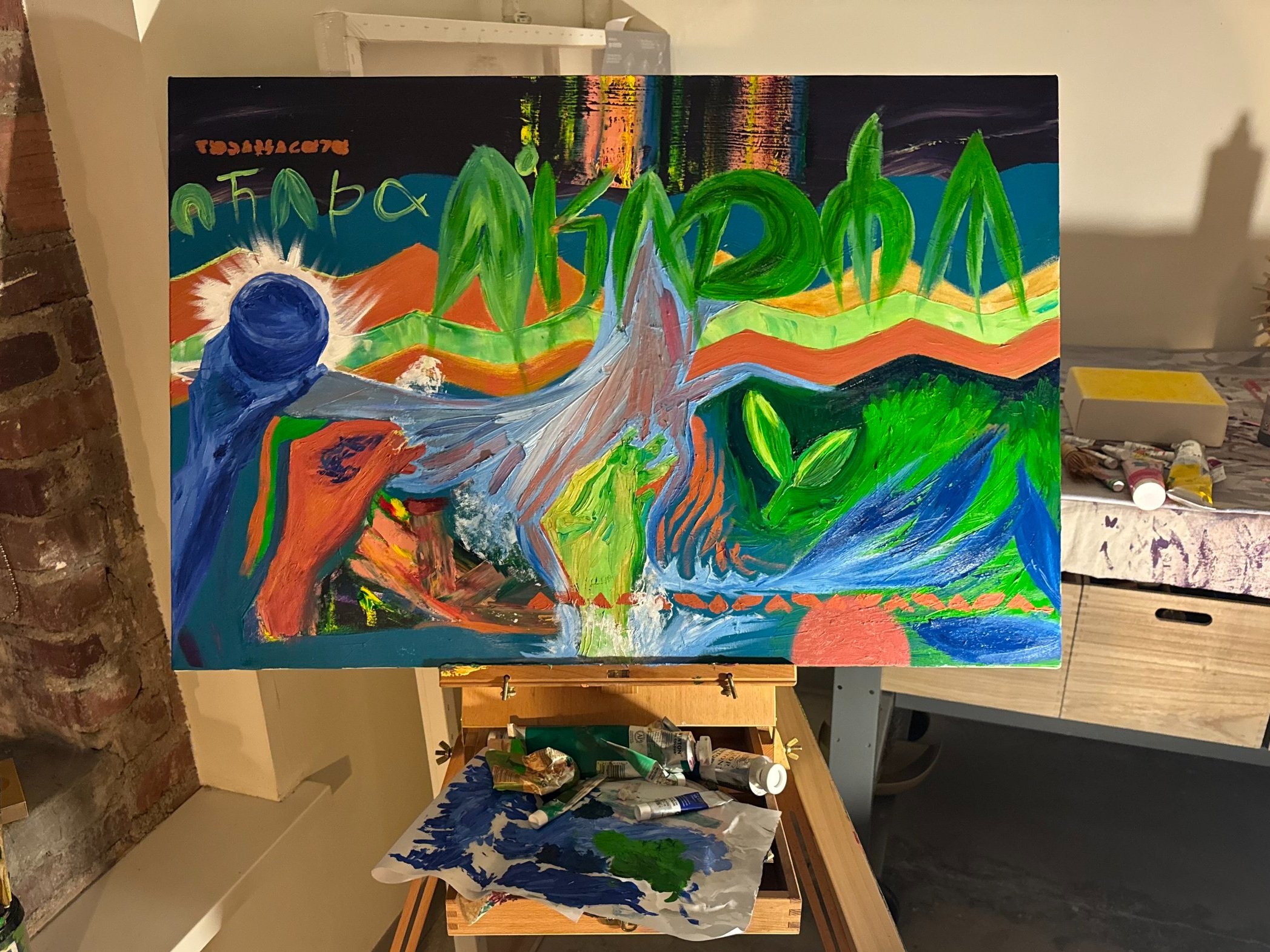
visual poems
𐓏𐒰𐒿𐒷𐓒𐒷: waleze (markings)

The poetics of 𐓷𐓘𐓻𐓘𐓻𐓟 𐓣𐓟 𐓷𐓘𐓧𐓟𐓺𐓟 are rooted in the forms of our songs, prayers, and rituals. Tribal people are generating new written and visual forms coming from and emerging out of historic, ancestral, traditional and contemporary 𐓷𐓘𐓧𐓟𐓺𐓟.
𐓷𐓘𐓧𐓟𐓺𐓟 exist in our culture prior to 2006. Such forms are ancient as well as contemporary and include...
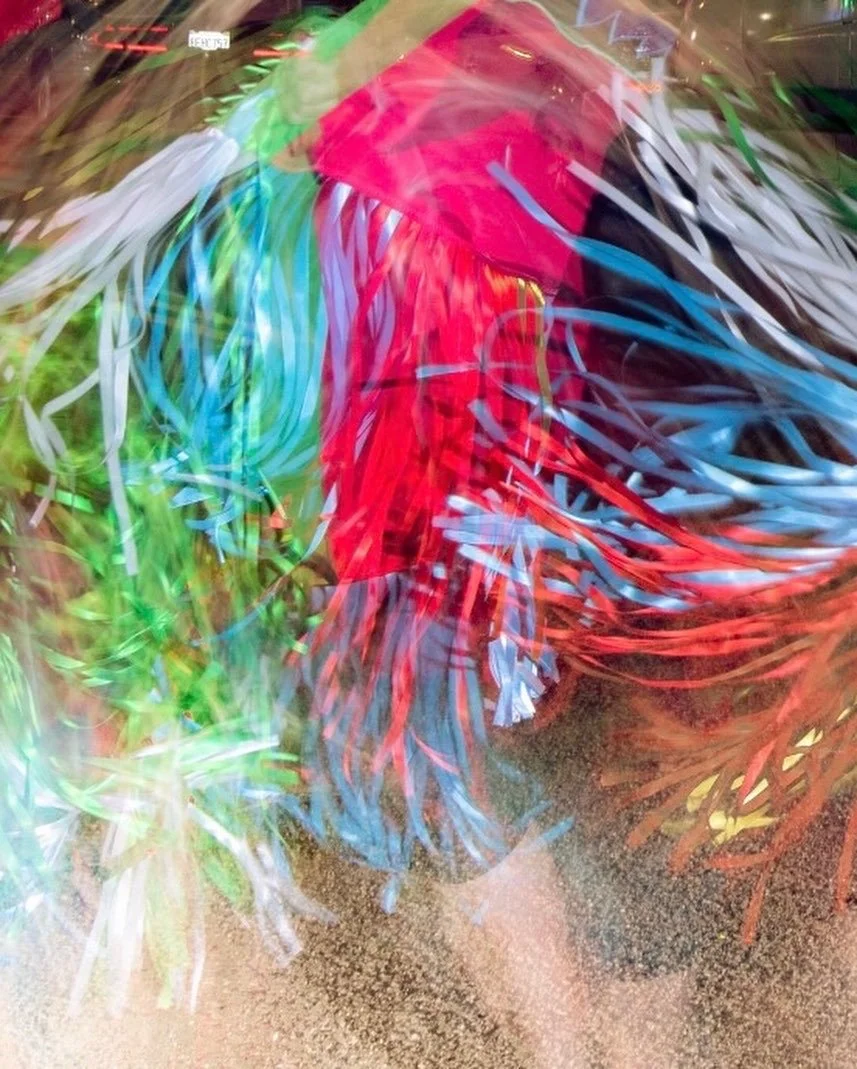
𐓣͘𐓲𐓟 𐓷𐓘𐓧𐓟𐓺𐓟 photo
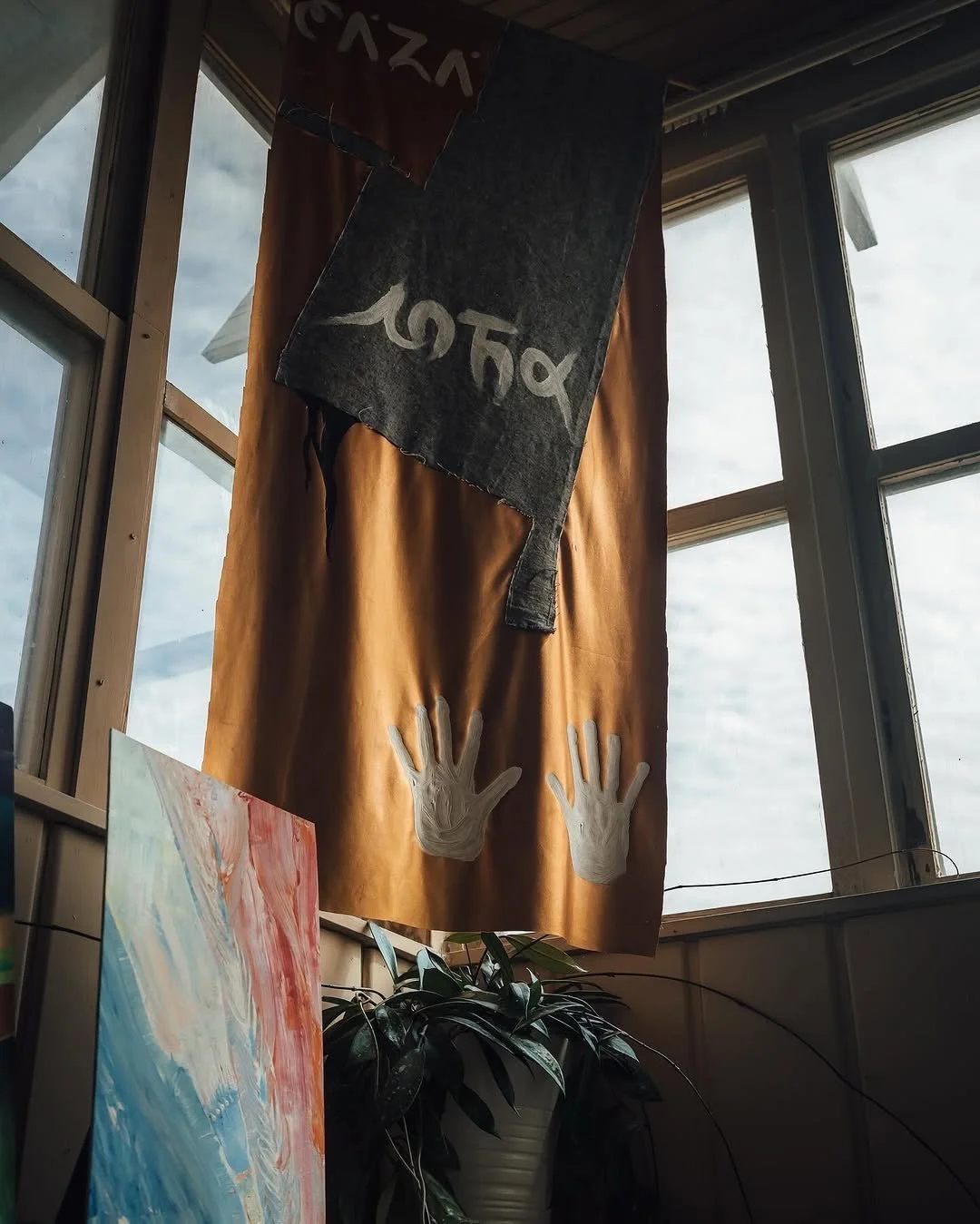
𐓷𐓘𐓧𐓟𐓺𐓟 painting
𐓷𐓘𐓧𐓟𐓺𐓟 pattern
𐓷𐓘𐓧𐓟𐓺𐓟 drawing
𐓷𐓘𐓧𐓟𐓺𐓟 design
𐓷𐓘𐓧𐓟𐓺𐓟 markings
𐓷𐓘𐓧𐓟𐓺𐓟: waleze (markings) is also the word for writing in Wahzhazhe ie, which became formally written in 2006, and was formerly oral.
I am one Osage artist creating visual and written poetic work in 𐓷𐓘𐓻𐓘𐓻𐓟 𐓣𐓟.
Selected Works